1 active filter
1 active
Buy FTTH fiber products in Bangladesh from IT Bazar for reliable home, office, ISP and enterprise fiber network installations. Shop GPON, EPON and XPON ONU devices, OLT equipment, fiber optic cables, PLC splitters, patch cords, pigtails, SFP modules, media converters and fiber accessories at competitive prices.
Showing 12 of 132 products

FTTH fiber products are essential for fast, stable and scalable internet connectivity. FTTH means Fiber to the Home. It is a fiber-optic network architecture that delivers internet service directly to a home, office, shop, apartment, institution or business premises.
Fiber-optic networks use light signals to transfer data. This allows high-speed connectivity across longer distances with lower signal loss than many traditional copper-based network systems.
At IT Bazar, explore FTTH fiber products for residential broadband, office networks, ISP deployment, CCTV backhaul, building connectivity and enterprise fiber infrastructure. Choose from ONU devices, OLT systems, fiber optic cables, PLC splitters, patch cords, pigtails, SFP modules, media converters, connectors, adapters and fiber installation accessories.
FTTH equipment is used in many types of installations. A home user may only need a compatible ONU device. An internet service provider may need OLT equipment, splitters, fiber distribution components and hundreds of ONU devices. A business may need fiber cables, media converters, SFP modules and managed network equipment for reliable long-distance links.
The correct product depends on the network technology, provider requirements, port type, fiber connector, cable route and bandwidth demand.
Before purchasing, confirm whether your network uses GPON, EPON or XPON technology. Also check the connector type, optical wavelength, required fiber mode and compatibility with your existing equipment.
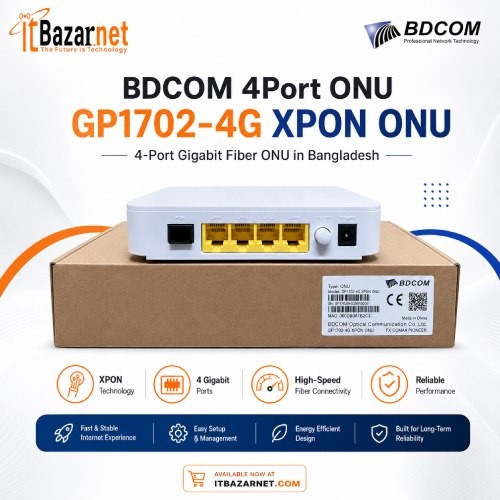
An ONU is an Optical Network Unit. It converts the fiber-optic signal from an ISP network into Ethernet connectivity for a router, computer, switch or other local device.
ONU devices are commonly installed at homes, offices, shops and small business locations. Some ONU models provide one Gigabit Ethernet port. Others include multiple LAN ports, Wi-Fi, voice support or advanced management features.
Basic EPON, GPON and XPON ONU devices in Bangladesh generally start from around ৳750 to ৳1,050. Single-port Gigabit ONU devices typically fall within the lower end of the category, depending on brand and compatibility.
Wi-Fi ONU devices, multi-port ONU models and business-capable ONU devices can range from around ৳2,000 to ৳5,500 or more.
ONU price in Bangladesh: ৳750 to ৳5,500
Choose an ONU only after confirming compatibility with your ISP’s OLT platform and network configuration. An incompatible ONU may not authenticate or operate correctly even if its connector appears to fit.
GPON, EPON and XPON are passive optical network technologies used by broadband service providers.
GPON ONUs are used with GPON networks. EPON ONUs are designed for EPON infrastructure. XPON ONUs are generally built to support both EPON and GPON environments, although compatibility still depends on OLT configuration and ISP provisioning policies.
A basic ONU is enough when you only need a fiber-to-Ethernet connection. Choose a Wi-Fi ONU if you want wireless connectivity from the same device. Choose a multi-port ONU when you need to connect several wired devices, a router, IP cameras, an NVR or office equipment.
Do not select an ONU based only on price. Confirm GPON, EPON or XPON compatibility first.
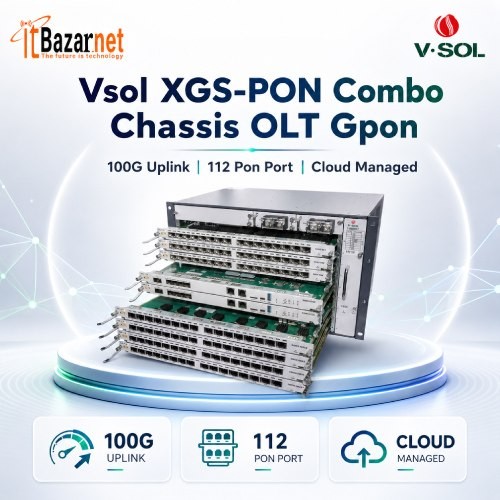
An OLT, or Optical Line Terminal, is the central fiber-optic network device used by ISPs, apartment projects, campuses, hotels, offices and larger organisations to manage and distribute broadband services to multiple ONU devices.
OLT equipment supports professional FTTH deployment. Depending on the model, it may support EPON, GPON or XG-PON technology. OLT systems differ by PON port count, subscriber capacity, uplink speed, management options, power configuration, redundancy and future expansion capability.
Entry-level OLT equipment with lower port density generally ranges from ৳33,000 to ৳50,000. These models are suitable for smaller ISP operations, apartment networks, residential projects and limited FTTH subscriber deployments.
Mid-range OLT systems generally range from ৳50,000 to ৳100,000. They are suitable for growing ISP networks, larger residential projects, multi-building connectivity and expanding fiber broadband infrastructure.
High-capacity OLT systems can cost ৳100,000 or more. These solutions are designed for carrier-grade FTTH networks, large subscriber bases, high-density deployments, faster broadband service tiers and long-term network growth.
Choose an OLT based on subscriber count, PON-port density, split ratio, optical power budget, uplink capacity, ONU compatibility, management platform, backup power requirements and future expansion plans.
OLT price in Bangladesh: ৳33,000 to ৳100,000+
Fiber optic cable carries data through optical signals. It is used for FTTH deployments, inter-building links, backbone networks, CCTV transmission, ISP distribution and structured cabling projects.
Fiber optic cable prices vary based on core count, fiber type, cable construction, outdoor or indoor use, armouring, length and manufacturer. A simple drop cable for a residential FTTH connection costs far less than armored multi-core cable for an outdoor backbone route.
Single-mode fiber cable is widely used for longer-distance FTTH and telecom connections. Multi-mode fiber cable is more common in short-distance enterprise and data-center applications.
Fiber optic cable price in Bangladesh: ৳15 to ৳250+ per meter
Bulk fiber cable is normally priced by meter, coil or drum. Confirm the required core count, cable jacket type, indoor or outdoor rating, armouring requirement and route distance before ordering.
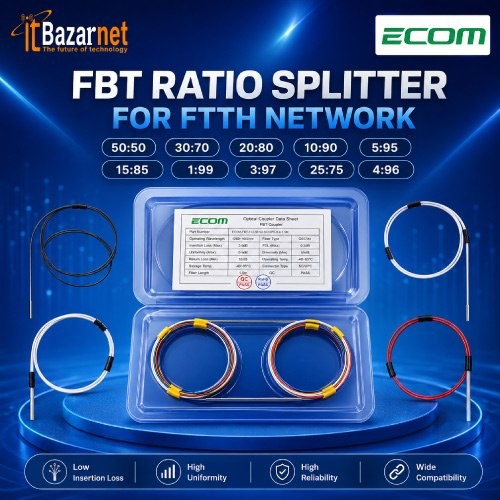
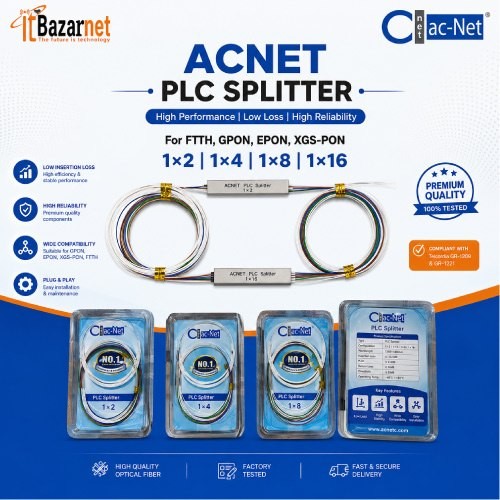
A PLC splitter divides one optical signal into multiple outputs. It is a core component of passive optical networks. PLC splitters are commonly used by ISPs, apartment projects, office buildings and fiber distribution networks.
Common splitter ratios include 1x2, 1x4, 1x8, 1x16 and 1x32. A higher split ratio serves more users from one input fiber, but optical power budget must be carefully planned.
A 1x8 single-mode PLC splitter is around ৳600, while a 1x32 steel-tube FTTH PLC splitter is around ৳1,150.
PLC splitter price in Bangladesh: ৳200 to ৳2,500
Choose a PLC splitter based on split ratio, connector type, package style, insertion loss, fiber mode and network power-budget calculation.
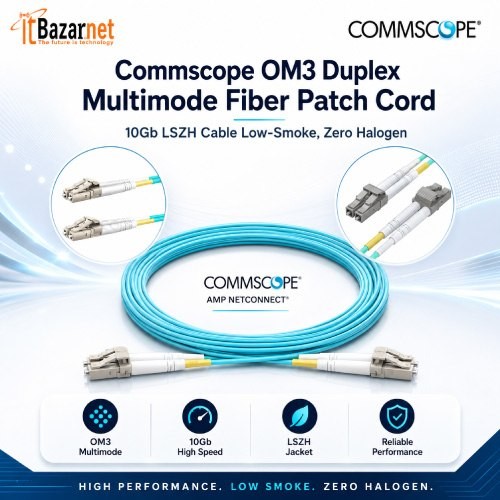
Fiber patch cords connect optical devices such as ONUs, OLTs, optical distribution frames, media converters, transceivers and patch panels. They are available in different connector combinations, including SC, LC, FC and ST.
Patch cord prices depend on connector type, fiber mode, core count, cable length and cable construction. SC to SC patch cords are widely used in FTTH applications. LC to LC patch cords are common in networking, data-center and SFP-module connections.
SC to SC fiber patch cords can start from around ৳80 to ৳100 for common lengths. LC to LC patch cords of around 5 metres are at approximately ৳200. More specialised connector combinations cost more.
Fiber patch cord price in Bangladesh: ৳80 to ৳1,500+
Confirm connector polish type before buying. SC/APC and SC/UPC connectors are not interchangeable in a proper optical installation. Using the wrong type can cause reflection loss and connection problems.
Fiber pigtails are short optical fiber cables with a connector on one end and an exposed fiber end on the other. They are used for fusion splicing inside fiber distribution boxes, splice closures, patch panels and optical termination units.
Pigtails are available in SC, LC, FC and ST connector types. They may use APC or UPC polishing and single-mode or multi-mode fiber.
Fiber pigtail price in Bangladesh: ৳40 to ৳300
Choose the same connector type, polish type and fiber mode used by the rest of your installation.
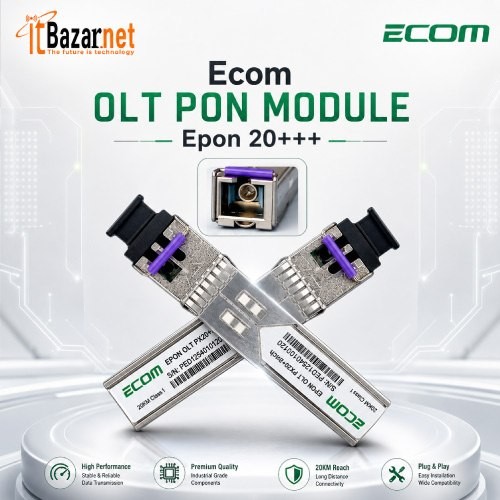
An SFP module is a small transceiver used to connect network equipment through fiber optic cables. SFP modules are used in switches, routers, OLTs, media converters, servers and other fiber-capable devices.
SFP pricing depends on speed, wavelength, connector type, transmission distance and compatibility. Standard 1.25G SFP modules are used for Gigabit fiber links. SFP+ modules are used for 10G connections.
Basic 1.25G SFP modules can start from around ৳1,500. Longer-distance modules cost more. A 1.25G LC 40 km SFP module is around ৳2,000, while an 80 km SFP module is around ৳9,000.
SFP module price in Bangladesh: ৳1,500 to ৳15,000+
Before buying, check port type, speed, wavelength, connector type, supported transmission distance and device compatibility. Two fiber endpoints must use compatible transceiver pairs.
A fiber media converter changes Ethernet signals into fiber-optic signals and converts them back at the other end. It is useful when connecting distant buildings, CCTV locations, offices, warehouses or network cabinets over fiber cable.
Media converters are available in Fast Ethernet and Gigabit Ethernet models. Some use fixed fiber ports, while others use SFP slots for more flexibility.
Gigabit Ethernet media converters are around ৳3,500 in the Bangladesh market.
Fiber media converter price in Bangladesh: ৳1,500 to ৳8,000
For modern installations, choose Gigabit media converters. Confirm whether you need single-mode or multi-mode support, the correct connector type and compatible SFP modules.
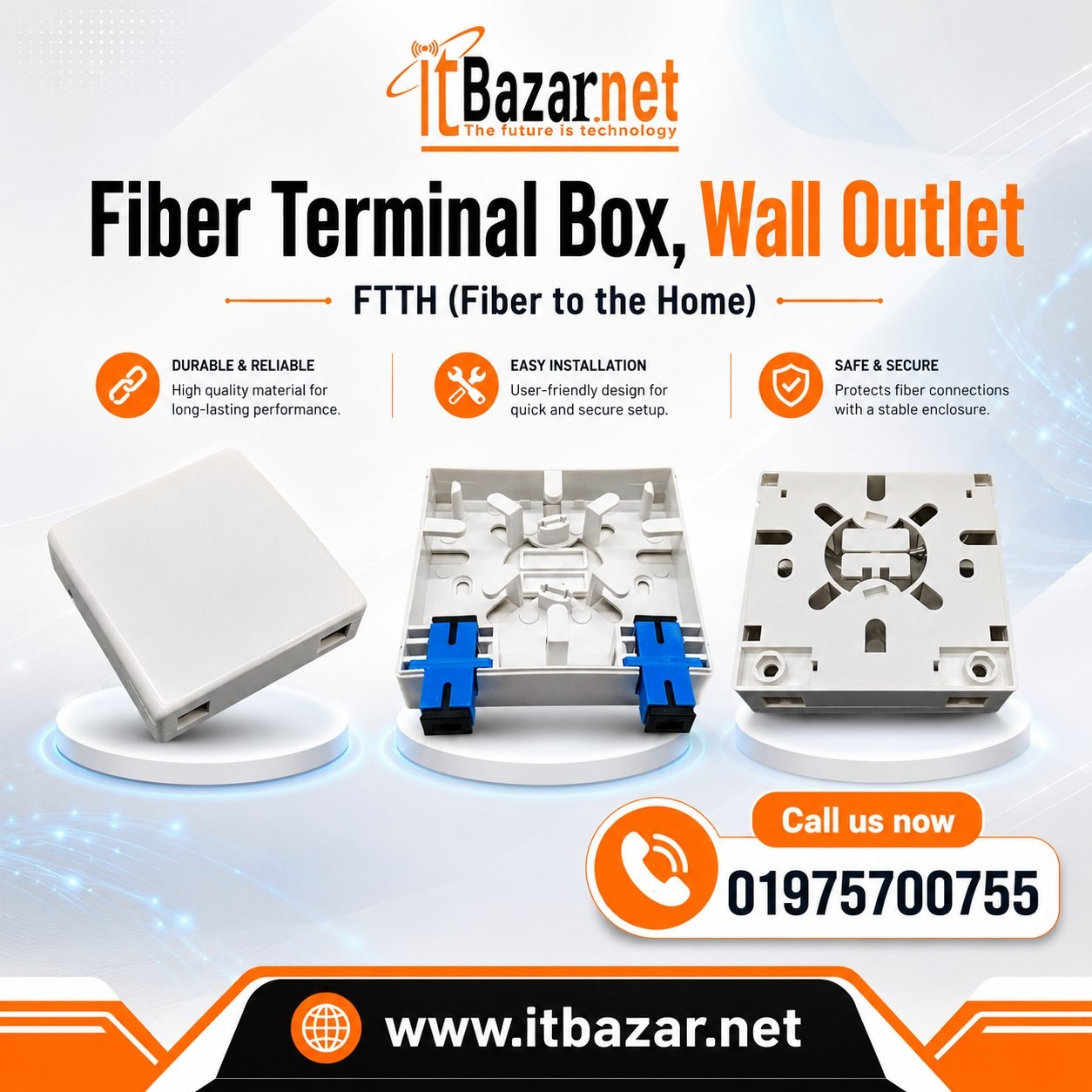
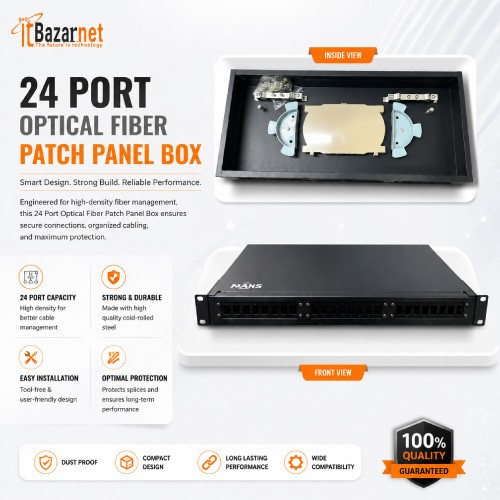
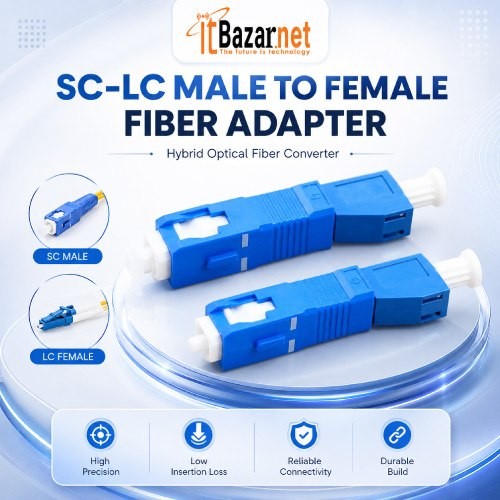
Fiber optic accessories include fast connectors, adapters, couplers, splice sleeves, fiber clamps, distribution boxes, termination boxes, cable clips, heat-shrink sleeves, dust caps and cable-management products.
Small accessories can start from around ৳20 to ৳35. Fiber-related boxes, adapters and installation components may cost more depending on material, port count and intended use.
Fiber optic accessories price in Bangladesh: ৳20 to ৳10,000+
Choose accessories carefully. The correct connector style, port count, fiber mode and installation environment matter more than a small price difference.
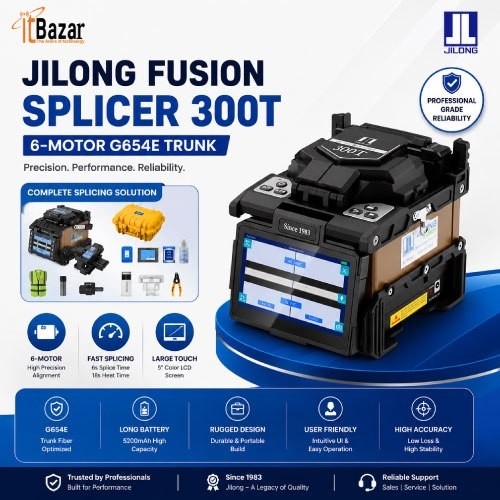
A fiber optic fusion splicer joins two fiber strands with precision. It is used by telecom technicians, ISPs, fiber installers and network maintenance teams.
Fusion splicers are professional tools. Price depends on core alignment method, splicing speed, battery capacity, display quality, ruggedness and included accessories.
A multifunctional optical fiber splicer is around ৳7,500, while a more advanced FTTH optical fiber fusion splicer is around ৳85,000.
Fiber optic fusion splicer price in Bangladesh: ৳7,500 to ৳285,000+
Low-cost units may suit limited or occasional FTTH work. For regular ISP deployment, backbone repair or commercial installation work, choose an appropriate core-alignment model with dependable service support.
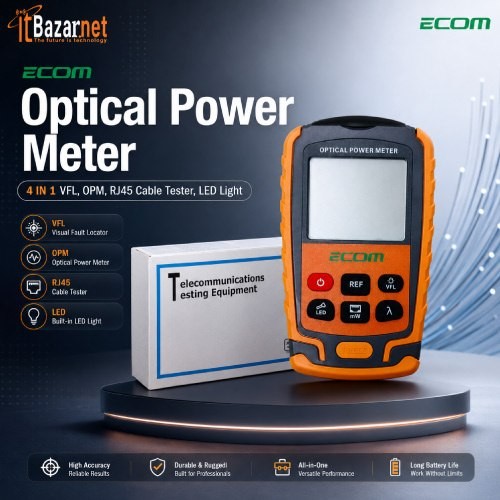
FTTH installations require more than an ONU and fiber cable. A professional setup may use fiber strippers, cleavers, optical power meters, visual fault locators, fusion splicers, fiber holders, cleaning kits, splice sleeves, connector tools and cable-management accessories.
The best tool choice depends on job frequency and installation complexity. Small repair jobs may need basic hand tools and a visual fault locator. Larger deployments need precise testing tools, fiber-cleaving equipment and reliable splicing hardware.
Poor installation practice can create signal loss, unstable connectivity and repeat maintenance work. Use clean connectors, correct bend radius, compatible components and proper optical testing methods.
Internet service providers need scalable fiber infrastructure. This can include OLT equipment, rack-mounted splitters, optical distribution frames, fiber patch cords, SFP modules, splice closures, distribution boxes, drop cables and compatible ONU devices.
The core design question is not just how many users the network supports today. It is how many it can support after growth.
Plan subscriber capacity, PON-port requirements, split ratios, optical power budgets, uplink bandwidth, redundancy, maintenance access and spare capacity before choosing OLTs and passive fiber components.
Avoid buying an OLT only because it has the lowest port cost. Uplink limits, management quality, module availability, power redundancy and compatibility with ONUs can create larger operating costs later.
Most home users need only a compatible ONU and a Wi-Fi router. The ONU receives the fiber connection from the ISP. The router distributes internet access to phones, laptops, smart TVs and other devices.
Some Wi-Fi ONU devices combine fiber termination and wireless networking in one unit. This can simplify a basic setup. A separate ONU and router can provide more flexibility when you want to upgrade Wi-Fi coverage later.
For a small office, use an ONU with a reliable Gigabit router or firewall. Add a Gigabit switch if more wired ports are needed. Use wireless access points or mesh Wi-Fi where stronger coverage is required.
Start by identifying the network type and installation goal.
For a replacement or new ONU, ask the ISP whether the network uses GPON, EPON or XPON. Confirm whether the ONU must be registered by serial number, LOID, password or MAC address.
For an ISP or building project, calculate PON capacity before purchasing. Consider expected subscribers, required split ratio, loss budget, fiber route length, OLT port capacity and future expansion.
For a long-distance Ethernet link, select compatible media converters or SFP modules. Confirm fiber mode, wavelength, connector type and distance at both ends.
For cables and patch cords, match connector type and polish. SC/APC, SC/UPC, LC/UPC and FC connectors have different roles. Do not mix incompatible connector types.
Use compatible products throughout the fiber network. An ONU, OLT, splitter, patch cord and connector may all be technically valid products, but poor compatibility can create authentication issues, optical loss or unstable service.
Keep fiber connectors clean. Dust, oil and scratches can reduce signal quality. Use protective caps when connectors are not in use.
Do not bend fiber cables sharply. Every cable has a minimum bend radius. Exceeding it can damage the cable or cause signal attenuation.
Use appropriate cable type for the environment. Indoor cable, outdoor cable, armored cable, drop cable and underground cable are designed for different installation conditions.
Test the fiber line after installation. Optical power meters, visual fault locators and OTDR equipment help identify loss, breaks, poor splices and faulty connections.
FTTH means Fiber to the Home. It refers to a broadband network where fiber-optic cable reaches directly to a home, office or end-user location.
An ONU is an Optical Network Unit. It receives the optical signal from a fiber network and converts it into Ethernet connectivity for your router, computer, switch or other local devices.
GPON ONUs are used with GPON networks. EPON ONUs are used with EPON networks. XPON ONUs are intended to support both GPON and EPON environments. Always verify compatibility with the ISP’s OLT before buying.
No. An ONU must be compatible with your ISP network and may require registration or configuration by the provider. Confirm the required GPON, EPON or XPON standard and approval process before purchasing.
An OLT is used by ISPs and large fiber deployments. It manages and distributes optical broadband services to multiple ONU devices through a passive optical network.
A PLC splitter divides a single fiber-optic signal into multiple outputs. It allows a fiber network to serve several users from one fiber line.
SC/APC connectors usually have a green connector body and angled polish. SC/UPC connectors typically have a blue connector body and flat or ultra-polished finish. They should not be mixed in the same optical connection because this can increase signal reflection and loss.
Choose a patch cord based on connector type, polish type, fiber mode, core count and cable length. Confirm the ports on both devices before ordering.
An SFP module is a removable fiber transceiver used in compatible switches, routers, OLTs, media converters and servers. It allows network data to travel through fiber-optic cable.
You need a fiber media converter when you want to extend an Ethernet connection over fiber and your existing device does not have a built-in fiber or SFP port.
Possible causes include low optical signal, damaged fiber cable, dirty connectors, poor splicing, incorrect ONU configuration, overloaded Wi-Fi, a weak router or an ISP-side issue. Check the optical signal and connection status before replacing equipment.

 PC Builder